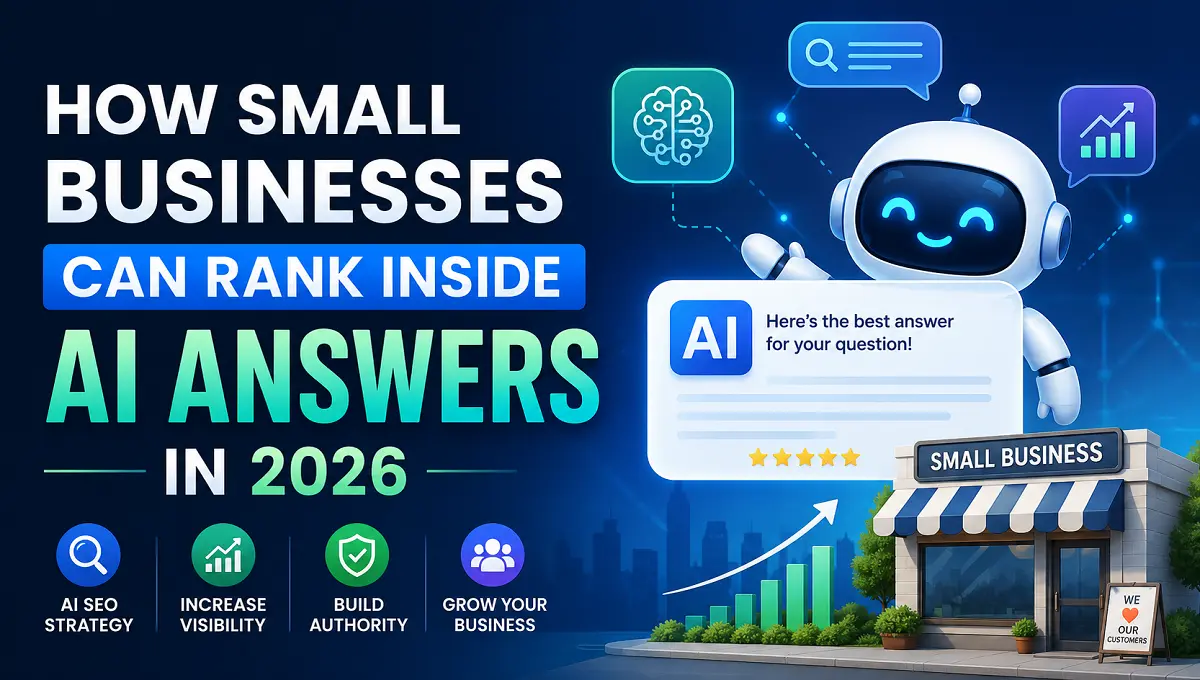

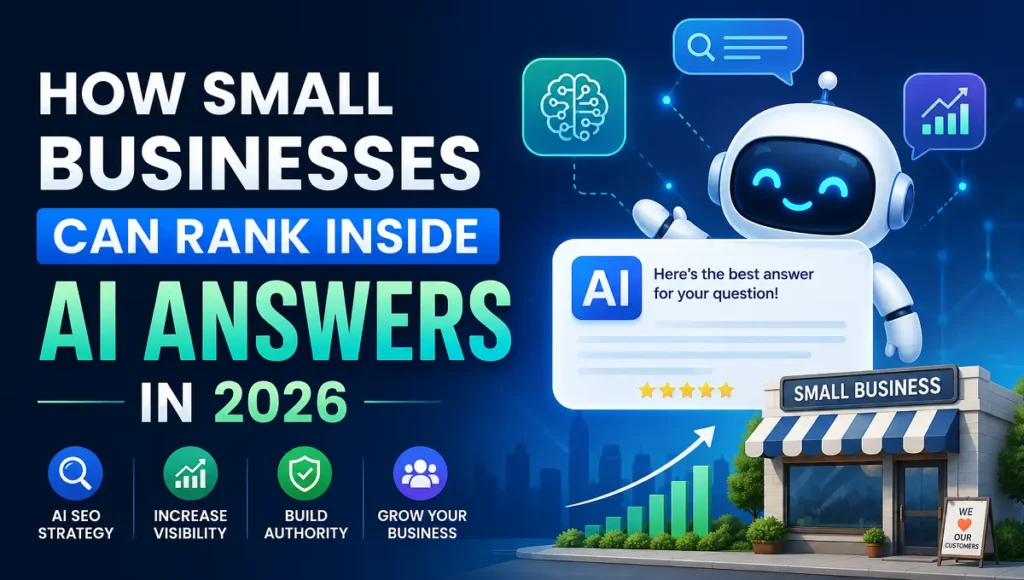
The rise of AI-powered search engines is changing digital marketing faster than ever. Platforms like Google AI Overviews, OpenAI ChatGPT, and Microsoft Copilot are now giving direct answers instead of sending users to websites. For small businesses, this creates a huge opportunity to gain visibility without competing against giant brands on traditional search results.
To rank inside AI answers, businesses must focus on helpful, trustworthy, and highly structured content. AI systems prioritize content that directly answers user questions. Instead of keyword stuffing, create articles that solve real problems. For example, local businesses should publish guides like “Best Digital Marketing Tips for Small Businesses” or “How to Improve Local SEO in 2026.”
Another important factor is brand authority. AI tools often mention businesses that are discussed across multiple trusted websites. This means brand mentions, customer reviews, and citations matter more than ever. Getting featured on blogs, forums, and industry websites can increase your AI visibility significantly.
Small businesses should also optimize for conversational search queries. Users now search using natural language such as “Which SEO agency is best for startups?” or “How can I grow my business with AI marketing?” Writing content in a question-and-answer format improves the chances of appearing in AI-generated responses.
Technical SEO still matters. Fast-loading websites, mobile optimization, schema markup, and updated content help AI crawlers understand your website better. Businesses using structured data have a higher chance of being included in AI summaries and featured snippets.
In 2026, the businesses winning online are not just ranking on search engines — they are becoming trusted sources for AI-generated answers. Companies that adapt early to AI SEO strategies will gain more traffic, authority, and long-term brand visibility.
Discover more from
Subscribe to get the latest posts sent to your email.
